
Campus Visit Recap | 2026 GE Spring FAM Trip Stop 7: St. Stanislaus College Prep. School, Mississippi - A Premium American High School Located by the Coast
For the final stop of the GE FAM Trip spring campus tour, we visited St. Stanislaus College Preparatory School (St. Stanislaus) in Mississippi, located in the southeastern United States. Upon entering the campus, we were warmly welcomed by the school’s faculty, who provided a detailed introduction to the school’s departments and history.


Founded in 1854 by the Brothers of the Sacred Heart, St. Stanislaus is one of the longest continuously operating schools of its kind in the world. It has survived major disasters including the Civil War, two World Wars, multiple pandemics, and Hurricane Katrina in 2005, never ceasing operations. Today, it boasts a history of over 170 years.


Entering the Academic Area: Real Interaction in Small Classes
Our first stop was the Middle School, where 7th-grade students were in class.
The classroom was lively and engaging. Teachers continuously asked questions and guided discussions, with students responding actively. The atmosphere was relaxed, and student participation was high. The advantages of small-class teaching were fully reflected here—every child received individual attention.

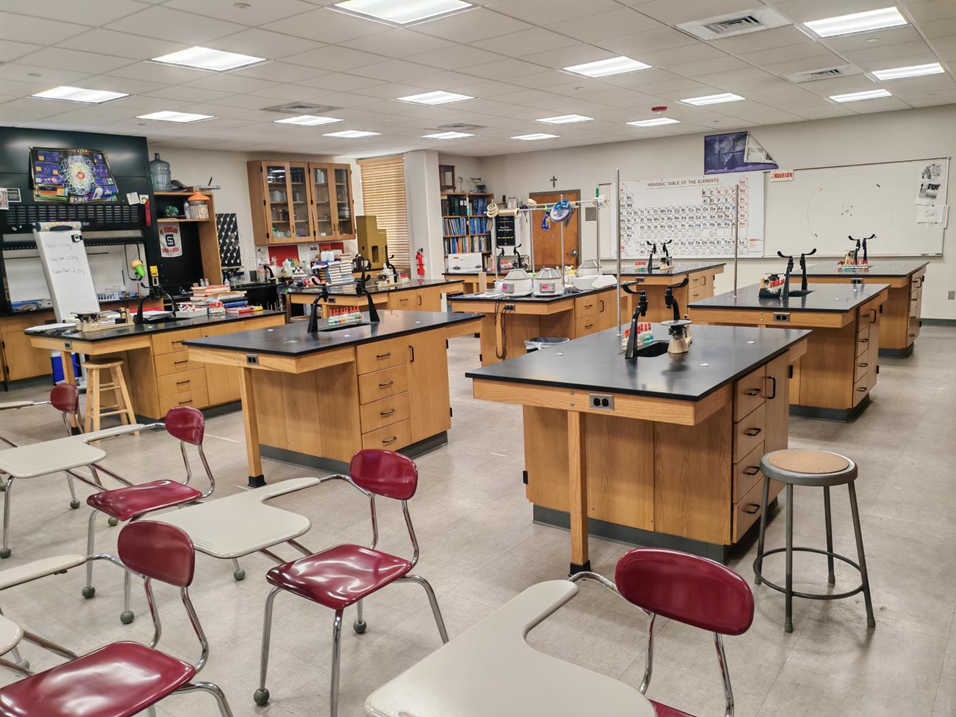
Subsequently, we visited classes in Biology & Life Sciences, Chemistry, STEM, and Introduction to Engineering. One detail particularly moved us: the STEM laboratory is connected directly to the classroom. After explaining theories on the podium, teachers can immediately take students into the laboratory for hands-on practice. This “learn-then-do, do-then-learn” rhythm is the essence of true science education.

Language & Humanities Courses: A Flexible ESL System
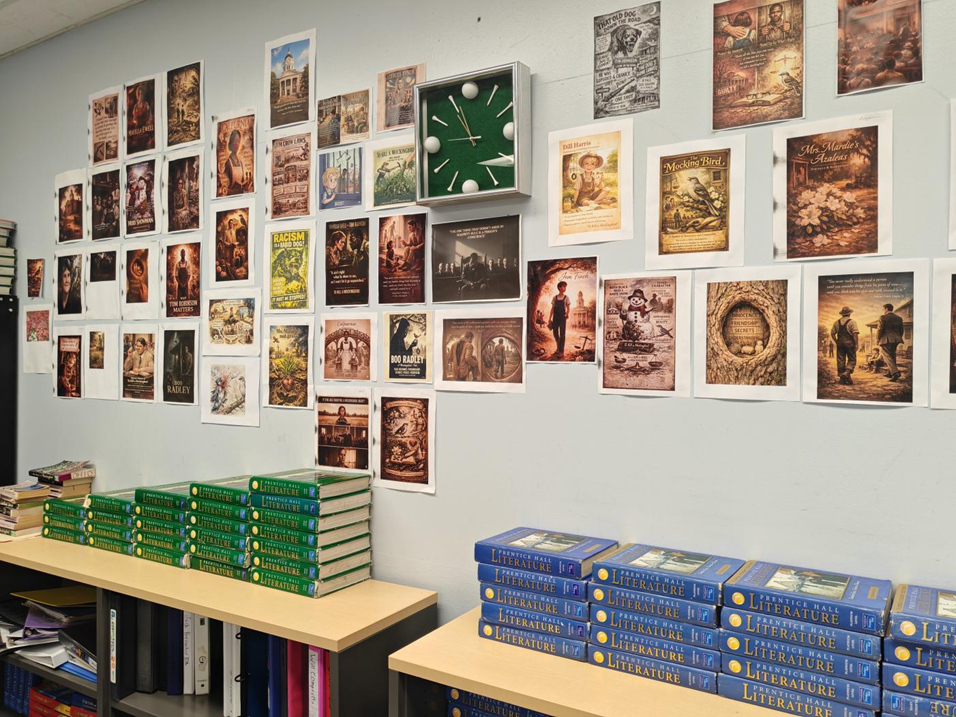
Next, we entered the English teaching area. Many parents are concerned about language support for international students. St. Stanislaus’ ESL system is different from the ones we commonly see. Students can dynamically switch between ESL courses and regular classes based on their actual English proficiency. They can “step into” regular classes when ready and “step back” to ESL for additional support when needed.

Art & Music: Quiet Creation and Group Ensemble
Continuing our tour, we entered the art classroom, where students were working on self-portraits. The classroom was quiet, with everyone focusing intently on their artwork.


Moving to the music classroom, the music teacher instructs a variety of instruments. Students build a foundation starting from middle school and gradually join the high school band program. Here, teaching focuses not only on playing skills but also on cultivating rhythm, intonation, and ensemble abilities.

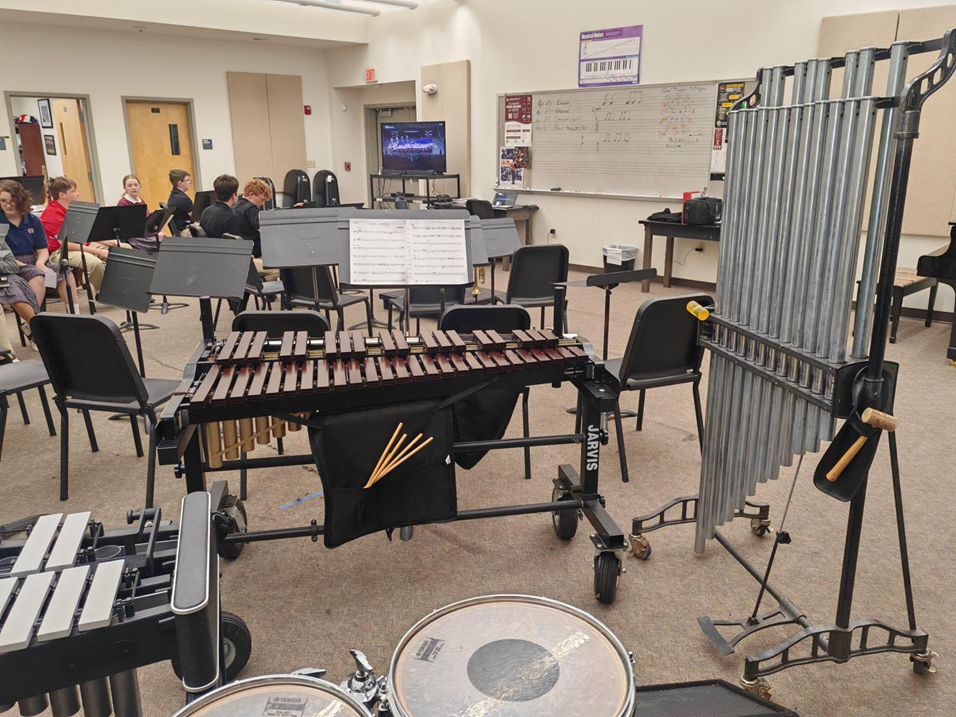
Interestingly, the classroom also uses technical tools such as backing tracks to assist with rehearsals. The combination of traditional teaching and modern tools adds depth and richness to music classes.
Technology & Interest Programs: Flight Simulators + Remote Control Models, Hands-On Learning is Key
Next, we visited the computer and technology classroom. Surprisingly, there was a flight simulator on-site, where students can receive basic flight operation training. The school also offers a variety of interest clubs, such as the Remote Control Model Club—where students can design, modify, and operate airplanes and boats—and the Fishing Club, which is very popular among boarding students.


Dining Hall & Daily Life: The Real Rhythm of Life in a Meal
Leaving the academic area, we arrived just in time for lunch. The dining hall had a relaxed and natural atmosphere with a variety of options, including fresh drinks, fruits, vegetables, and hot meals. On weekends, the school organizes outdoor barbecues, crawfish events, off-campus dining, bowling, go-karting, and more. Unlike the compact rhythm of class time, weekends emphasize relaxation and socialization.


A real boarding life is not just about studying—it also includes these warm, lively moments of daily living.

Dormitory Tour: Gentle Companionship Under Strict Management
Entering the boys’ dormitory, we saw a Catholic bronze statue at the first-floor entrance. Going up to the second floor, we entered the student living area. Most rooms are double-occupancy, with a few single rooms available in special cases.
In terms of management, the school is relatively strict. Students are required to hand in their mobile phones during class hours, retrieve them after school, and hand them in again before bedtime. Wi-Fi is turned off after 11 PM to ensure a regular schedule.
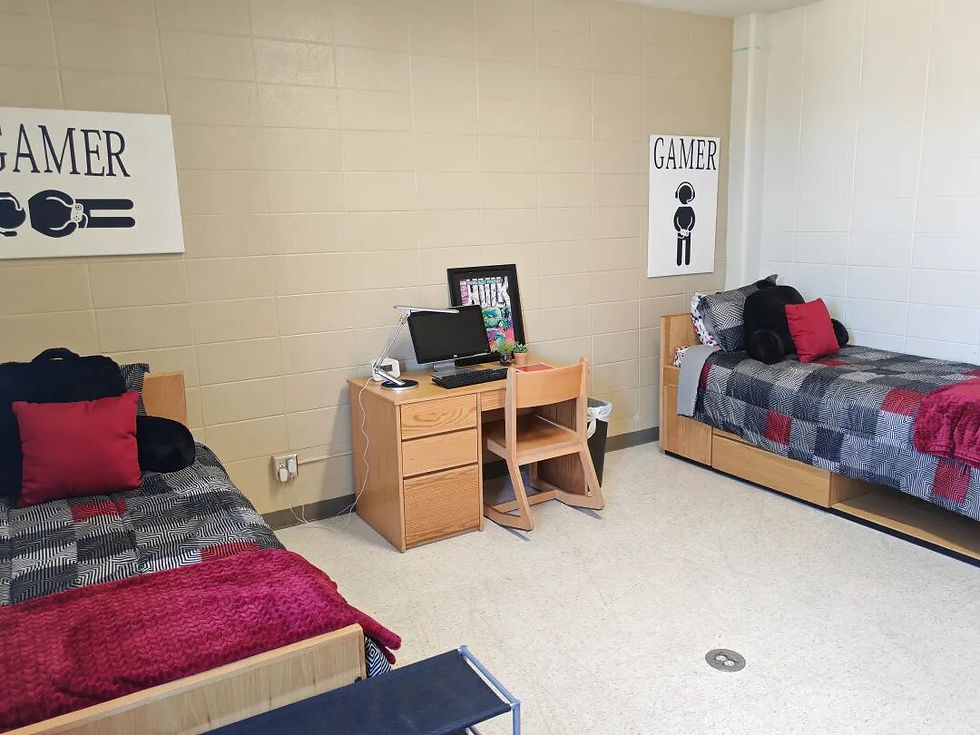

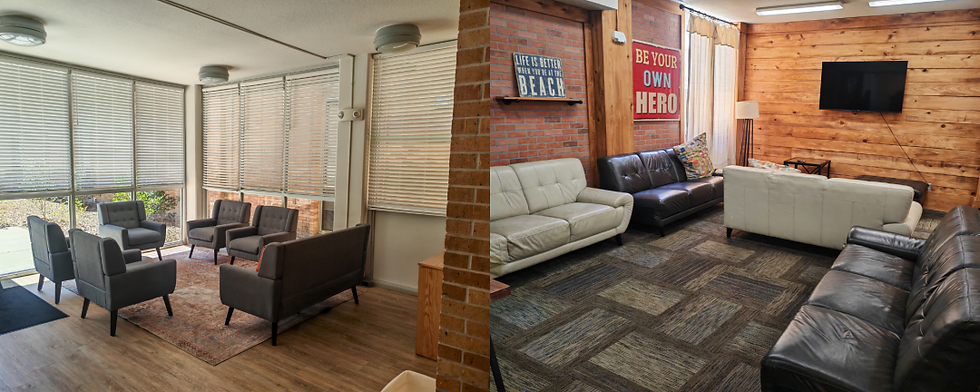
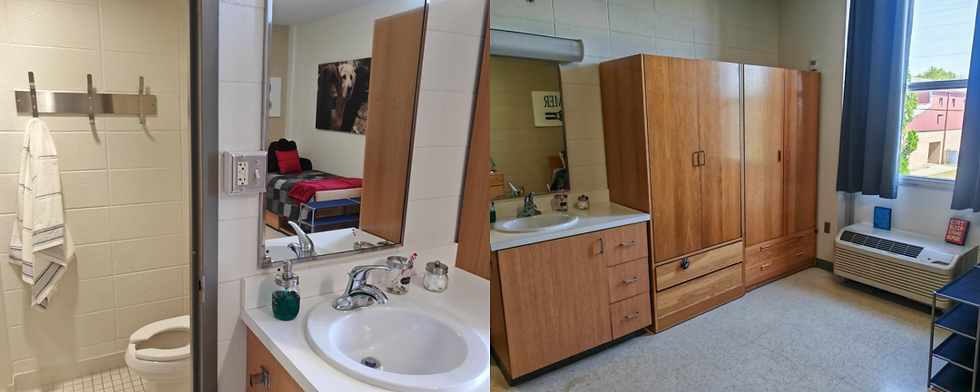
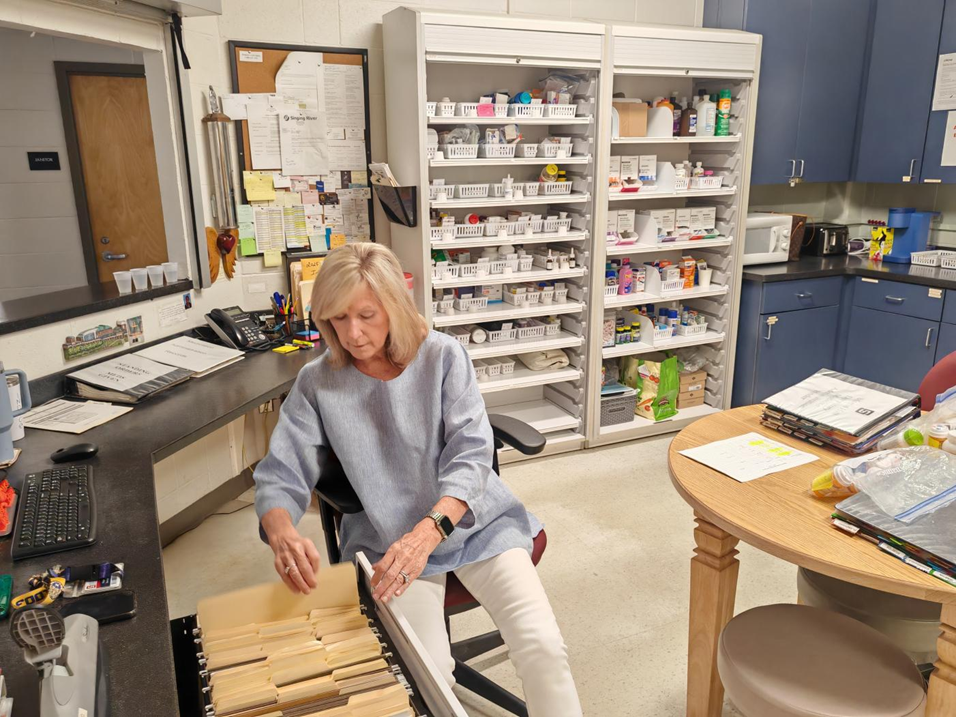
Each floor is staffed by two dorm supervisors who live with the students. They are not just administrators but also life mentors and companions. The school also has an on-campus infirmary with nurses on duty to provide health support to students at any time.
Athletic Facilities: Sunshine, Courts, and the Coast
Walking out of the dormitory, the view suddenly opened up. Tennis courts and a swimming pool appeared one after another. Since the school is located by the coast, these facilities are used very frequently. On good weather days, students can go out to exercise at any time.


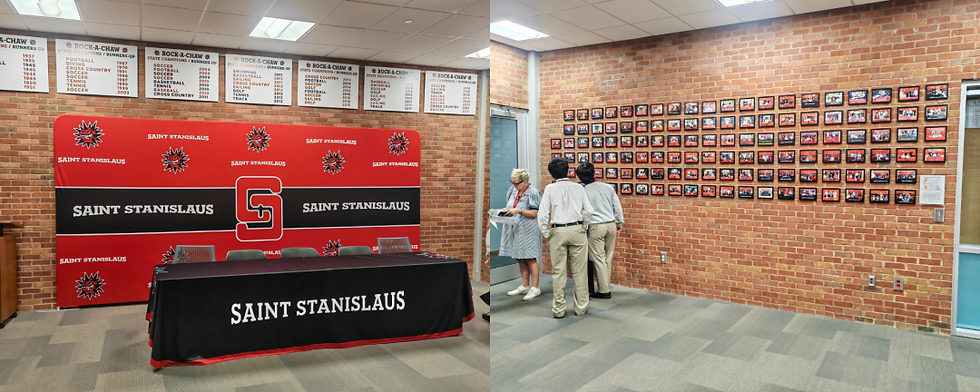
Next, we entered the indoor gymnasium, which is the home court of the school’s basketball team. Just recently, the school won the Mississippi State Division III Basketball Championship. The gymnasium is multi-functional, hosting not only games but also school assemblies, events, wrestling training, physical fitness training, and more.




Marine Science Laboratory: The Biggest Surprise of the Visit
Our final stop was the Marine Science Laboratory, the most distinctive part of the entire visit. Upon entering, we saw rows of aquariums, each managed by students. The seawater and organisms in the aquariums are collected by students from the nearby coast for long-term observation. The overall learning model follows “collect-research-release.”


The course is a two-year program. After completing Biology and Chemistry, students can take Marine Science 1 in 11th grade and Marine Science 2 in 12th grade. The first year focuses on basic theories, including water properties, marine exploration, and ecosystems. The second year is fully research-oriented, with students conducting outdoor projects almost every day. Research topics include oyster farming, artificial reef construction, microplastic research, biodiversity, and water quality testing. Relevant data is submitted to universities, state governments, and federal agencies.


Students can also earn college credits through a partnership with the University of Southern Mississippi, and have the opportunity to participate in academic conferences and even publish research results. This program holds high value at the high school level.
Communication & Summary: The Questions Parents Care Most About
After the tour, we had a focused discussion with the school about common questions parents have.
About Athletics: International students must join the JV team in their first year, but can then participate in year-round training through a combination of school teams and clubs. The school also assists in connecting with local resources.
About the All-Boys Environment: Academics and dormitories are male-only, but students interact socially with other schools. This environment actually helps cultivate students’ leadership and maturity.
About Learning Differences: The school accepts students with attention deficits or dyslexia and provides corresponding support, including learning method training and exam accommodations.
About Home-School Communication: The school has a comprehensive home-school communication system, including monthly calendars, grade systems, dormitory communication, and parent organizations.

Through this on-site visit to St. Stanislaus, we truly felt the calmness and dedication of this 170-year-old all-boys school. From classrooms to the marine science laboratory, from dormitories to sports fields, the education here is solid and full of warmth.

Comments